Power hides behind silence.

Power protects itself. Silence is one of its most effective tools.

Companies have learned there is an easy way to avoid accountability without fixing anything: require silence. Break that silence, and you can be sued for telling the truth.
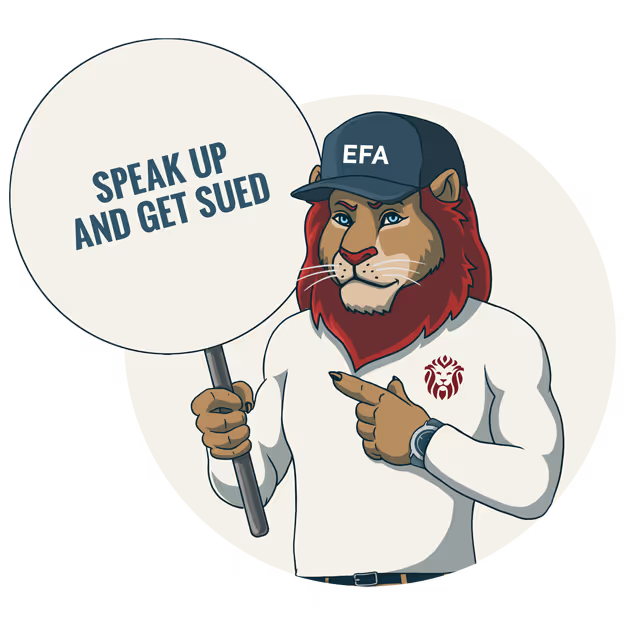

Lion mascot holding sign 'Speak up and get sued' representing legal risks of breaking NDAs

Contractual Silence

Confidentiality and nondisclosure agreements (NDAs) are contracts that limit what a person can share about a company’s information or operations. They are routine in business, including employment contracts and settlements, and are used to protect proprietary information, trade secrets, and other legitimate business interests.

They can also restrict the disclosure of internal concerns.

When that happens, violating the agreement can carry serious legal consequences. Silence is enforced through contract law.

These agreements serve legitimate business interests.

They shape outcomes.

When silence is enforceable, truth and accountability depend on who controls the contract.

Lion mascot representing controlled information and restricted transparency

The strategy is simple: contain the damage by controlling the information.

Empty winter path symbolizing isolation and consequences of enforced silence

What Silence Costs

Contractual silence affects more than the parties who signed the agreement.

These contracts can deter employees from reporting wrongdoing. When silence is enforceable, the contract protects the party demanding it.

It is not about truth. It is about control.

Warning sign illustrating restrictions and consequences enforced by contractual silence

Silence by contract is not neutral. It protects the party that demands it.